Culture & Heritage
The history, traditions and identity of Bihar and Jharkhand that BJAI proudly celebrates and preserves in Ireland.
Bihar
The Historical and Cultural Importance of Bihar
Bihar is one of the oldest continuously inhabited regions in the world and holds a place of immense significance in Indian and world history. The ancient kingdom of Magadha, with its capital at Patliputra (modern-day Patna), was the heart of some of India's greatest empires — including the Mauryan Empire under Chandragupta Maurya and Emperor Ashoka, and later the Gupta Empire, often described as the “Golden Age” of India.
Bihar is also the spiritual birthplace of Buddhism and Jainism. It was at Bodh Gaya that Siddhartha Gautama attained enlightenment and became the Buddha, while Vaishali and Pawapuri hold deep significance for Jain tradition. The ancient universities of Nalanda and Vikramshila attracted scholars from across Asia, making Bihar a global centre of learning over a thousand years before modern universities existed.
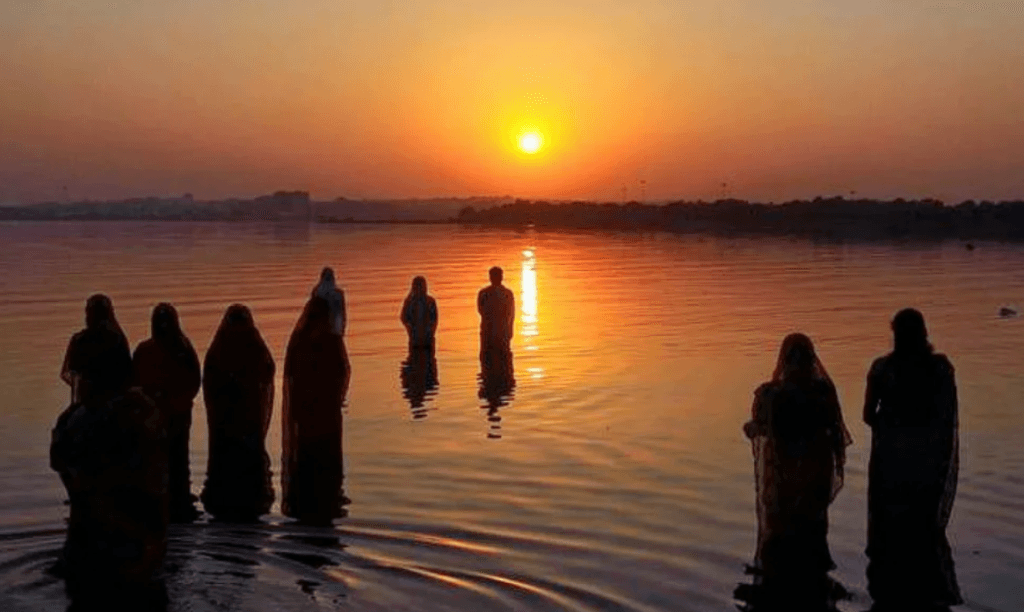
Culturally, Bihar is home to the languages and literary traditions of Bhojpuri, Maithili, Magahi and Angika, the intricate Madhubani (Mithila) folk paintings, and festivals such as Chhath Puja — one of the most distinctive forms of sun worship anywhere in the world. From the flavours of litti-chokha and sattu to the warmth of its people, Bihar's heritage continues to shape the identity of millions of people across the globe, including our own BJAI community.
Jharkhand
The Cultural Importance of Jharkhand
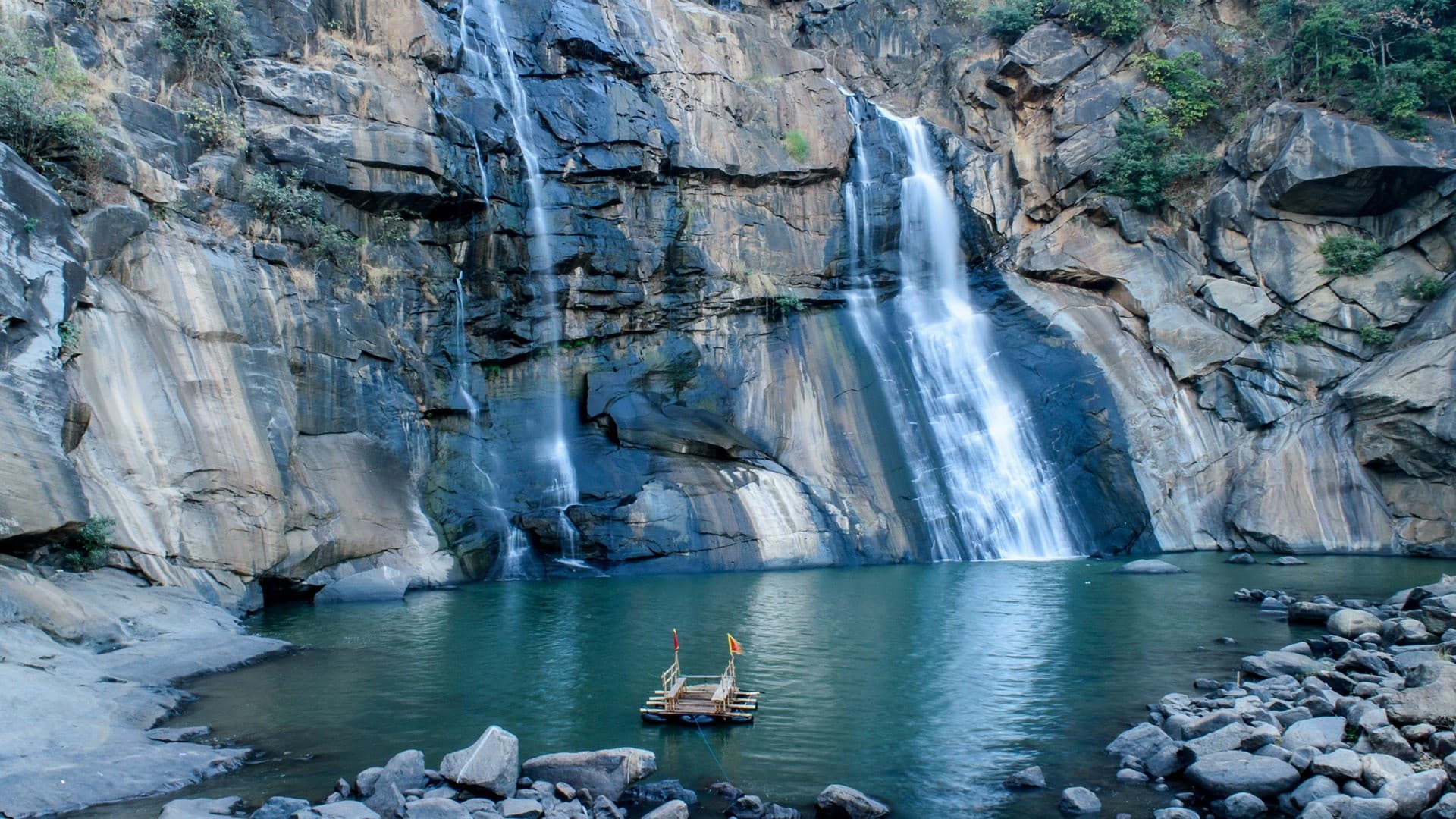
Jharkhand, meaning “the land of forests,” was formed on 15 November 2000 and is renowned for its rich natural landscapes, mineral wealth, and the deep cultural traditions of its tribal communities, including the Santhal, Munda, Oraon, and Ho peoples. These communities have lived in close harmony with nature for centuries, expressed through sacred groves (Sarna), forest worship, and a strong oral tradition of folklore, music, and dance.
Jharkhand's cultural calendar is marked by vibrant festivals such as Sarhul, which welcomes spring and honours the Sal tree, and Karma (Karam) Puja, a harvest festival celebrated with the energetic Jhumar and Karma dances. The region is also closely associated with Chhau dance, a semi-classical dance form recognised by UNESCO, and with the legacy of tribal leaders such as Birsa Munda, who remains a symbol of courage and identity for the people of Jharkhand.
Beyond its tribal heritage, Jharkhand shares many of the broader cultural traditions of the wider Bihar region — including Chhath Puja, Holi, and Diwali — while bringing its own distinct identity, music, and crafts. For BJAI, the cultures of Bihar and Jharkhand together form a rich, shared heritage that we are proud to celebrate as one community in Ireland.
Festivals & Traditions
Celebrations That Bring Us Together
BJAI celebrates the festivals of Bihar and Jharkhand throughout the year, keeping our traditions alive in Ireland.
Chhath Puja
A four-day festival of sun worship, deeply rooted in Bihar, where devotees offer prayers to the Sun God at sunrise and sunset on riverbanks.
Holi Milan
The festival of colours, celebrated with music, sweets and gulal — a joyful occasion that brings the whole community together.
Sama-Chakeva
A unique folk festival of Mithila celebrating the bond between brothers and sisters, marked by clay idols, songs and rituals.
Sarhul
The spring festival of Jharkhand's tribal communities, honouring the Sal tree and nature as the giver of life, marking the start of the new year.
Karma (Karam) Puja
A harvest festival where the Karam tree is worshipped for prosperity, accompanied by traditional Jhumar and Karma dances and songs.
Bihar Diwas & Jharkhand Diwas
Annual celebrations marking the foundation of Bihar (22 March) and Jharkhand (15 November), honouring the history and identity of both states.
Makar Sankranti
A harvest festival marking the sun's transition into Capricorn, celebrated with til-gud sweets, kite flying, and traditional dishes like khichdi and chura-dahi.